 English
 Turkish
 Русский

Efficiency and Sustainability in Supply Chain Management
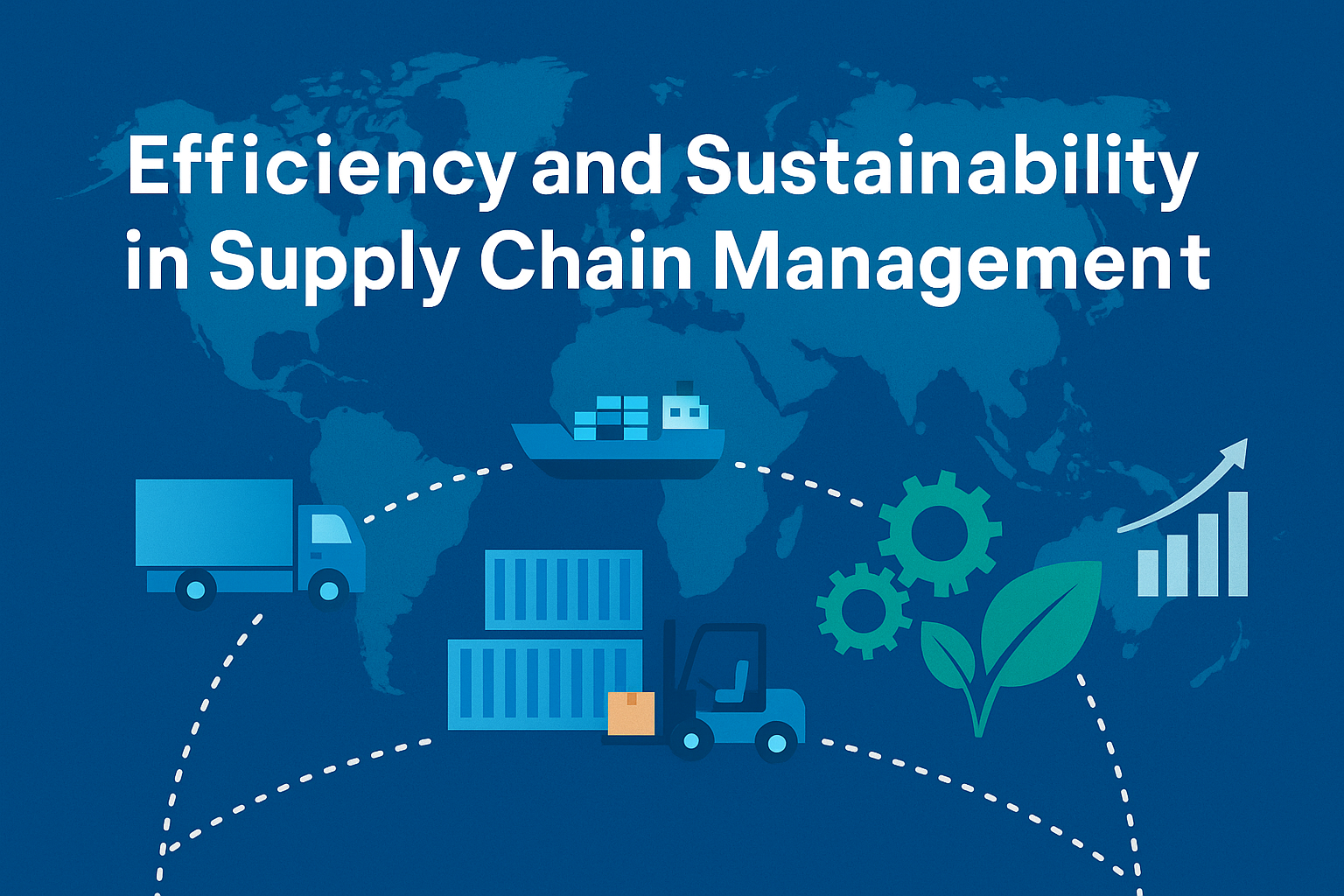
In today’s global economy, supply chain management stands at the heart of every successful business. It is no longer just about moving goods from one place to another — it is about creating a resilient, efficient, and sustainable system that ensures consistency, transparency, and profitability. As international trade becomes increasingly complex, companies like Export White Sea are redefining efficiency and sustainability in supply chain management.
1. The Power of Efficiency
Efficiency is not only a measure of speed; it is the ability to reduce costs, minimize waste, and streamline operations without compromising quality. Modern logistics systems rely on digital transformation — automation, data analytics, and AI-driven forecasting tools — to eliminate bottlenecks and enhance coordination. By integrating these technologies, Export White Sea enables its clients to monitor goods in real-time, optimize routes, and reduce delivery times while maintaining full transparency.
2. Sustainability: The Future of Trade
Sustainability has evolved from a trend into a global necessity. Businesses are now expected to operate responsibly — balancing profit with environmental impact. Sustainable supply chain management focuses on reducing carbon emissions, adopting energy-efficient transportation, and minimizing packaging waste. Export White Sea promotes eco-friendly practices by collaborating with partners who share the same environmental values, ensuring that logistics operations contribute to a cleaner, more responsible future.
3. Cost Optimization through Smart Planning
Efficiency and sustainability often go hand in hand. A well-planned supply chain not only reduces operational costs but also lowers energy consumption and material waste. By analyzing trade data, companies can predict demand fluctuations, manage inventory more precisely, and prevent overproduction — saving both resources and money. Export White Sea applies this principle by designing supply chain models that maximize efficiency while maintaining environmental balance.
4. Building Resilience and Transparency
The COVID-19 pandemic revealed how fragile global supply chains can be. To remain competitive, businesses must build resilience — the capacity to adapt to disruptions. Transparency plays a key role here: sharing information across the supply chain ensures better coordination, faster decision-making, and stronger trust between partners. Export White Sea leverages digital tools to enhance visibility across every step of the process, from manufacturing to final delivery.
5. Collaboration as the Key to Progress
A sustainable and efficient supply chain cannot be achieved in isolation. It requires cooperation between manufacturers, suppliers, logistics providers, and regulators. Export White Sea fosters long-term partnerships based on trust, innovation, and mutual growth — turning the supply chain into a strategic advantage rather than a cost factor.
In conclusion, the future of trade belongs to those who combine efficiency with responsibility. Export White Sea continues to lead by example, helping businesses build smarter, greener, and more resilient global networks — because sustainable efficiency is not just good for business; it’s essential for the planet.